
Root Canal Treatment
A root canal is a straightforward procedure that can save your natural tooth and relieve the pain caused by a deep cavity or cracked tooth. Learn more about how we can help restore your tooth’s health and your comfort at Aqua Family Dental.
What Is a Root Canal?
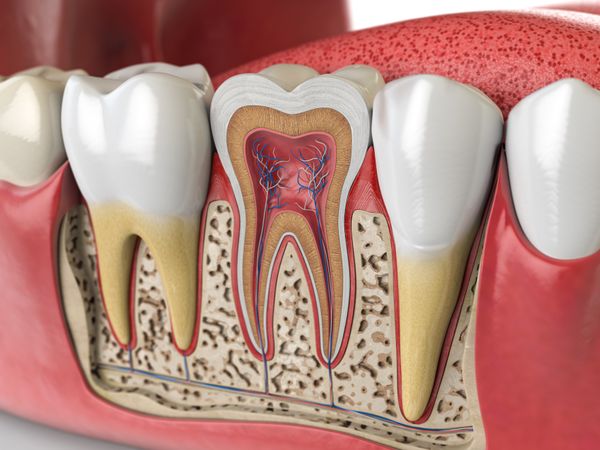
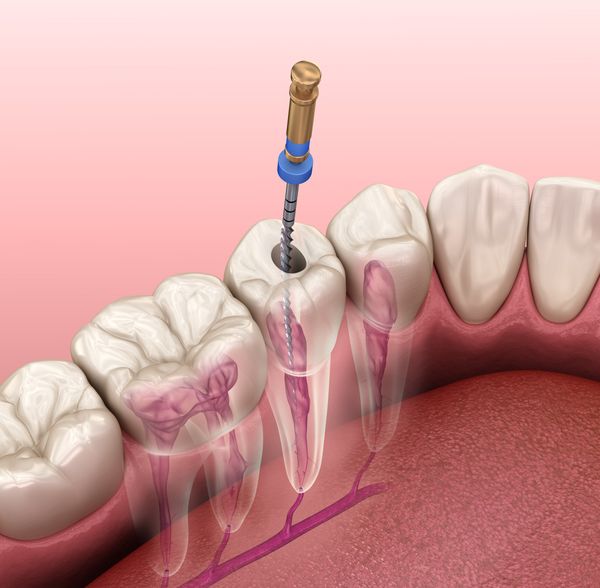
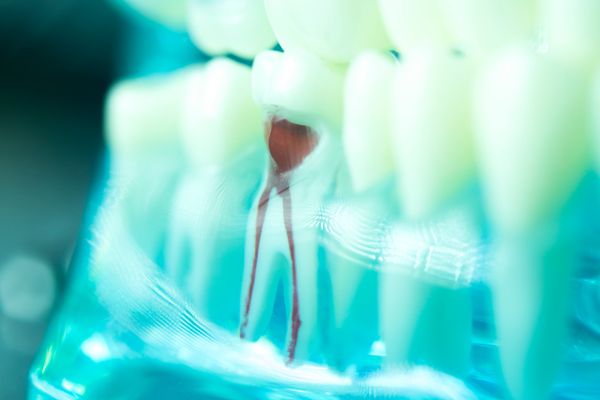
A root canal, also known as endodontic treatment, is a common dental procedure designed to treat infection or damage deep inside your tooth. When the soft tissue, called pulp, inside your tooth becomes inflamed or infected, it can cause significant pain and, if left untreated, may lead to tooth loss. During a root canal, our dentist carefully removes the infected or damaged pulp. The inner chamber of the tooth and its root canals are then thoroughly cleaned, disinfected, and shaped. Finally, the space is filled with a special material and sealed to prevent further infection, helping to preserve your natural tooth.
Benefits of Root Canal Therapy
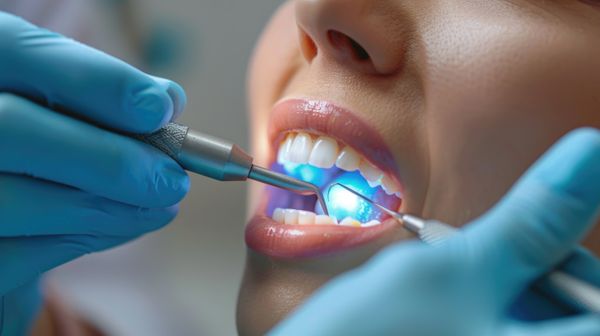
Choosing root canal therapy offers several important benefits for your dental health. The most immediate advantage is often the relief of severe tooth pain caused by infection or inflammation. By treating the source of the discomfort, we can help you feel comfortable again. Beyond pain relief, a root canal allows you to save your natural tooth. Preserving your own tooth is generally preferred over extraction, as it helps maintain your bite, prevents surrounding teeth from shifting, and avoids the need for more complex restorative options like bridges or implants. After treatment, your tooth can be restored to its full function, allowing you to bite and chew normally.
Signs You May Need a Root Canal
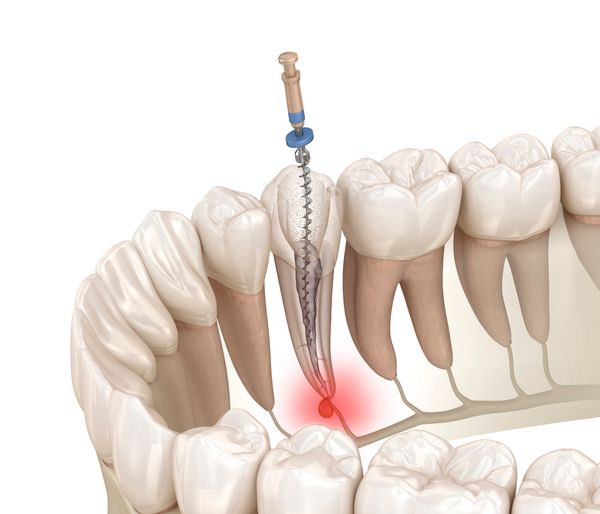
Several signs can indicate that you might need a root canal. One of the most common symptoms is a severe, persistent toothache that doesn't go away, especially when chewing or applying pressure. You might also experience prolonged sensitivity to hot or cold temperatures, even after the source of the temperature has been removed. Other indicators include swollen, tender gums around the affected tooth, or a small, pimple-like bump on the gums. Sometimes, a tooth that requires a root canal may also appear discoloured or darkened. If you notice any of these symptoms, it is important to schedule a dental assessment at Aqua Family Dental for a proper diagnosis.
The Root Canal Procedure: What to Expect
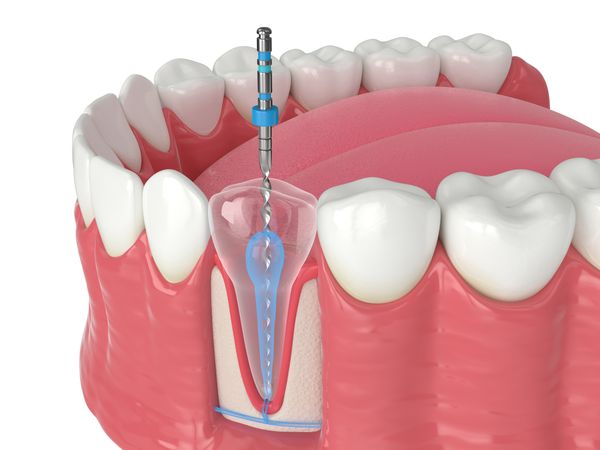
Understanding the steps involved in a root canal can help ease any concerns you may have. The process typically begins with an initial consultation, where our dentist will examine your tooth and take X-rays to assess the extent of the infection. Once a root canal is determined to be the best course of action, we will apply a local anesthetic to numb the area around the affected tooth, ensuring you remain comfortable throughout the procedure. Our dentist then creates a small opening in the tooth to access the infected pulp. The damaged pulp is carefully removed, and the inside of the tooth and root canals are thoroughly cleaned and shaped. After cleaning, the canals are filled with a biocompatible material and sealed to prevent re-infection. In many cases, a temporary filling is placed. A final restoration, such as a dental crown, will then be placed on the treated tooth to protect it and restore its strength and appearance.
Your Comfort Is Our Priority
Many people feel anxious about root canal treatment, often due to outdated perceptions. At Aqua Family Dental, we want to reassure you that modern root canal procedures are designed with your comfort in mind. We use effective local anesthesia to completely numb the area, so you should not feel pain during the treatment itself. Our primary goal with a root canal is to relieve the severe pain caused by a tooth infection, not to create more discomfort. We take every step to ensure a gentle and calm experience, helping you feel at ease throughout your visit.
After Your Root Canal Treatment
Following your root canal, it's normal to experience some mild sensitivity or tenderness for a few days, especially if there was infection before the procedure. This discomfort can usually be managed with over-the-counter pain relievers. It's important to avoid chewing on the treated tooth until it has been fully restored with a permanent crown or filling. This protects the tooth from potential damage before its final restoration is in place. We will provide you with specific aftercare instructions tailored to your situation to ensure a smooth recovery and the long-term success of your treatment.
Frequently Asked Questions
Is a root canal painful?
Modern root canal treatments are typically not painful. We use local anesthesia to numb the area completely, ensuring you are comfortable during the procedure. The goal is to relieve the pain caused by the infection, not to cause more.
How long does a root canal take?
The duration of a root canal can vary depending on the complexity of the tooth and the infection. Generally, a root canal can be completed in one or two appointments, each lasting about 60 to 90 minutes.
What happens after a root canal?
After the root canal, the tooth will need a permanent restoration, usually a dental crown, to protect it and restore its full function. You might experience some mild sensitivity for a few days, which can be managed with over-the-counter pain medication.
Can a treated tooth get another infection?
While a root canal has a high success rate, it is possible for a treated tooth to become re-infected, though it is uncommon. This can happen if the tooth wasn't completely cleaned, new decay occurs, or the crown is damaged. Regular dental check-ups help monitor the tooth's health.
New Patients Welcome