
Gentle Dental Bonding for Your Smile
Dental bonding offers a straightforward and effective way to improve the appearance of your smile. This cosmetic treatment can help address minor imperfections, giving you a more confident and natural-looking result. At Aqua Family Dental, we focus on helping you achieve a smile you love with gentle, patient-centred care.
What is Dental Bonding?
Dental bonding is a popular cosmetic dental procedure that uses a tooth-coloured resin material to improve the appearance of your teeth. This durable plastic material is carefully applied to the tooth surface, where it can be shaped and polished to blend seamlessly with your natural smile. It's a versatile solution for many common cosmetic concerns.
Patients often choose dental bonding to address minor chips, cracks, or small gaps between teeth. It can also be used to cover discoloured spots or to make a tooth appear longer. The goal is always to enhance your smile in a way that looks natural and feels comfortable.
Who Can Benefit from Dental Bonding?
Dental bonding can be a great option for individuals looking to make subtle yet significant improvements to their smile. If you have minor cosmetic concerns that affect your confidence, bonding might be suitable for you. It's often recommended for those with healthy teeth and gums who want to correct specific aesthetic issues.
Common reasons patients consider dental bonding include repairing small chips or fractures caused by everyday wear. It can also help close small spaces between teeth or change the shape of a tooth that looks too short or uneven. If you're looking for a conservative way to enhance your smile, we invite you to discuss if dental bonding is right for you.

Benefits of Choosing Dental Bonding
Many patients appreciate dental bonding for its straightforward approach to cosmetic enhancement. One significant benefit is that it typically requires minimal alteration to your natural tooth structure. Unlike some other procedures, only a small amount of enamel, if any, needs to be removed.
Another advantage is the speed of the treatment. In most cases, dental bonding can be completed in a single visit to our clinic, making it a convenient option for busy schedules. It also tends to be a more cost-effective cosmetic solution compared to some other extensive treatments, offering an accessible way to improve your smile.
The Dental Bonding Process
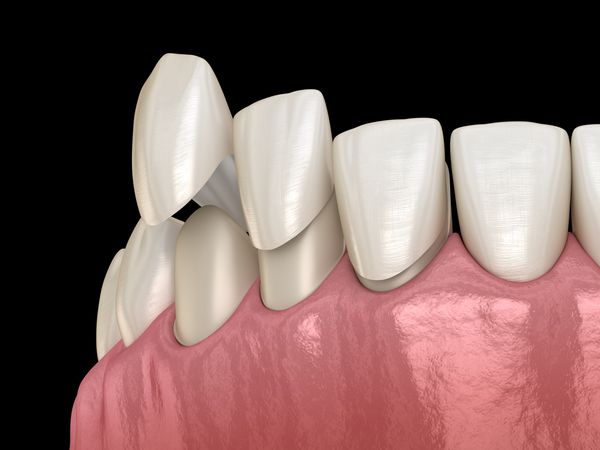
The dental bonding process is generally simple and comfortable. First, our team will help you choose a shade of composite resin that matches your natural teeth, ensuring a seamless result. We may gently roughen the tooth surface and apply a conditioning liquid to help the bonding material adhere securely.
Next, the tooth-coloured resin is applied and carefully molded and shaped to achieve the desired appearance. A special light is then used to harden the material quickly and firmly onto your tooth. Finally, we will trim, shape, and polish the bonded tooth until it looks natural and smooth, blending beautifully with your existing teeth. The entire process is designed to be efficient and comfortable for you.

Bonding vs. Other Cosmetic Treatments
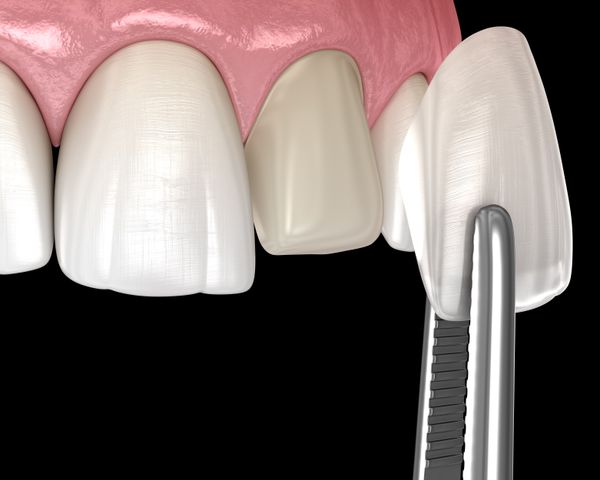
When considering cosmetic dental treatments, it's helpful to understand the differences between options like dental bonding and porcelain veneers. Dental bonding uses a composite resin material that is applied directly to your tooth and hardened, often in a single visit. It's known for being a more conservative and generally less expensive option.
Porcelain veneers, on the other hand, are custom-made, thin shells of porcelain that are bonded to the front surface of your teeth. They are typically more durable and stain-resistant than bonding, but they usually require two appointments and involve a more significant alteration to your natural tooth enamel. While veneers offer a longer-lasting solution, bonding provides a quicker, more reversible way to enhance your smile. We can discuss which option best suits your specific needs and goals during a consultation.
Caring for Your Bonded Teeth
Taking good care of your bonded teeth will help them last longer and maintain their beautiful appearance. It's important to continue practicing excellent oral hygiene, which includes brushing twice a day and flossing daily. Regular dental check-ups and cleanings are also essential to monitor your oral health and the condition of your bonding.
To help prevent staining, try to limit your intake of foods and drinks that can discolour teeth, such as coffee, tea, and red wine, especially in the first few days after your procedure. Avoiding habits like biting on hard objects or chewing ice can also protect your bonded teeth from chips or damage. If you have any specific questions about caring for your bonded teeth, please ask our team for personalized advice.

Frequently Asked Questions
How long does dental bonding last?
With proper care, dental bonding can typically last for several years, often between 3 to 10 years. Its lifespan depends on factors like your oral hygiene habits, diet, and whether you grind your teeth. Regular dental check-ups help maintain its durability.
Is dental bonding painful?
The dental bonding procedure is generally not painful. In most cases, it can be completed without the need for local anesthetic, especially when addressing minor cosmetic issues. If bonding is being used to fill a cavity, a local anesthetic might be used to ensure your comfort.
Can bonded teeth stain?
Yes, bonded teeth can stain over time, similar to your natural teeth. The composite resin material is somewhat porous, making it susceptible to discolouration from foods, drinks, and tobacco. Practicing good oral hygiene and limiting staining agents can help maintain their brightness.
Can I whiten bonded teeth?
No, the composite resin used in dental bonding does not respond to teeth whitening treatments. If you are considering teeth whitening, it's often best to do so before your bonding procedure. This way, we can match the bonding material to your newly whitened natural teeth for a uniform smile.
Is dental bonding reversible?
Dental bonding is considered a minimally invasive and largely reversible procedure, especially when little to no enamel is removed. If the bonding needs to be removed or replaced, it can often be done without affecting the underlying tooth structure.
New Patients Welcome